
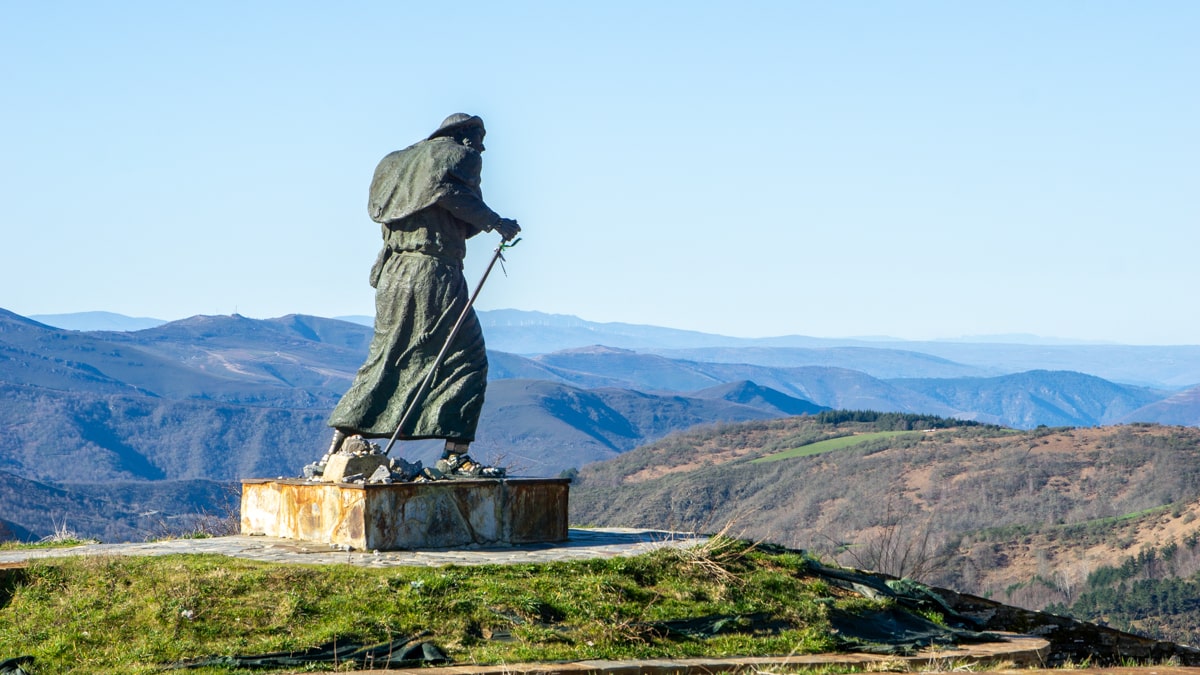
I tracked every euro I spent while walking the Camino Francés. Here’s what it cost me, from prep to travel days and the full route to Santiago.
How much does it cost to walk the Camino de Santiago?
That is one of the questions I got asked most often, both during and after my Camino Francés. And to be honest, it makes sense. If you are going to walk for over a month, it is helpful to know what kind of budget you need.
I decided to keep track of all my expenses from day one. Not just during the walk itself, but also the preparation, the travel days and the rest days in between. I logged everything in an app (TrabeePocket) so I could share a complete overview afterwards.
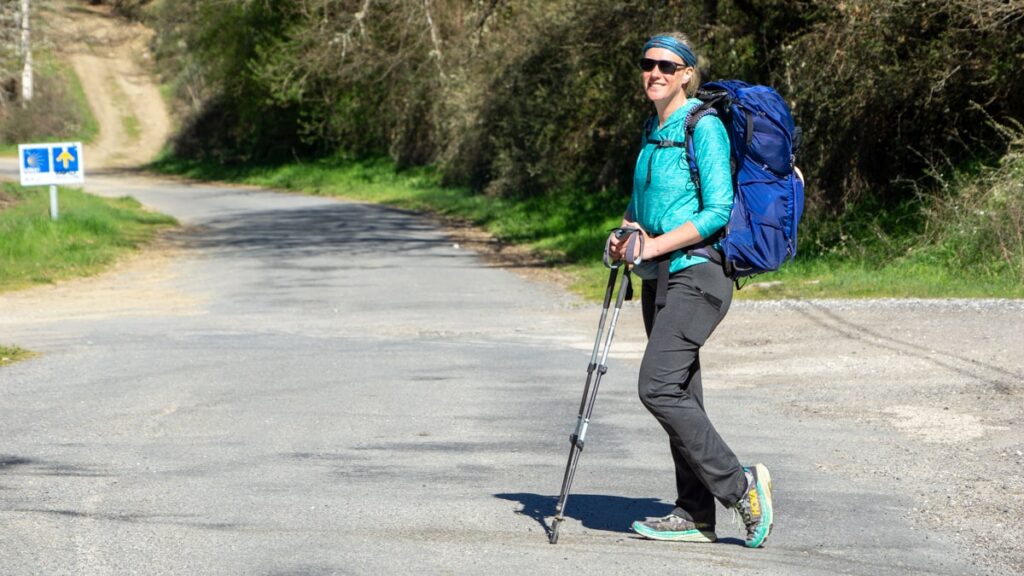
Of course, this is not a fixed budget that applies to everyone. We all have different preferences and habits when it comes to spending money. I did not stick to a tight food budget myself. I often treated myself to café con leche, tortilla, wine and pilgrim menus. When it came to accommodation, I mixed it up. I stayed in basic dorms most nights, but also booked a few private rooms and even a nice apartment at the end.
In this article, I share exactly what I spent during my Camino Francés. All costs are broken down by category. I hope it gives you a realistic idea of how much it can cost to walk the Camino de Santiago and helps you plan a budget that works for you.
Camino Francés budget: this is what I spent
During my 35-day journey to Santiago, I tracked every expense. From the day I left home to the day I returned. Below is a breakdown by category.
Transportation
Transportation costs can vary a lot depending on where you start your journey. I live in the Netherlands, so my expenses reflect what it cost me to get to and from the Camino from there. If you are travelling from outside Europe or choosing a different mode of transport, your costs will likely look very different.
I personally prefer to travel by train within Europe whenever possible. It is usually a comfortable and more sustainable option, but only affordable if you book early. Last-minute tickets can get expensive fast.
For my Camino, I managed to arrange the entire journey to the starting point by train. I travelled from my hometown to Paris Gare du Nord in second class, took the metro to Gare Montparnasse, then continued by train to Bayonne. For that longer stretch I booked a first-class seat. It was only €5 more than second class and worth it for the extra comfort.
After a night in Bayonne, I took the regional train to St. Jean Pied de Port. The total cost of my outbound journey was €124.50.

I had not booked a return ticket in advance, which turned out to be a good decision. My return flight ended up being sponsored because I travelled straight to Croatia for work after the Camino. The only part I paid for myself was the train from Santiago to A Coruña, where I caught the flight. That ticket cost €7.20.
I had budgeted around €200 for the return journey, just in case. If I had booked it myself, I probably would have taken a bus to Porto (about four hours from Santiago) and flown to The Netherlands from there.
- Total transportation costs: €131.70
Accommodation
I spent 35 nights on the Camino. Most of the time, I stayed in albergues — simple pilgrim hostels with dormitories or shared rooms. These usually cost between €8 and €15 per night. The cheapest night was only €6, which still amazes me.
That said, I also deliberately chose more comfort from time to time. I stayed in private rooms on nine nights, usually in small hotels, guesthouses or apartments. At the end of the walk, in Santiago, I treated myself to two nights in a luxury apartment that cost over €100 per night. After hiking 800 kilometers, I felt like I had earned it.
In total, I spent €950.34 on accommodation. That works out to an average of €27.15 per night and for me, it was a good balance between basic and comfortable stays.
- Total accommodation cost: €950.34


Food
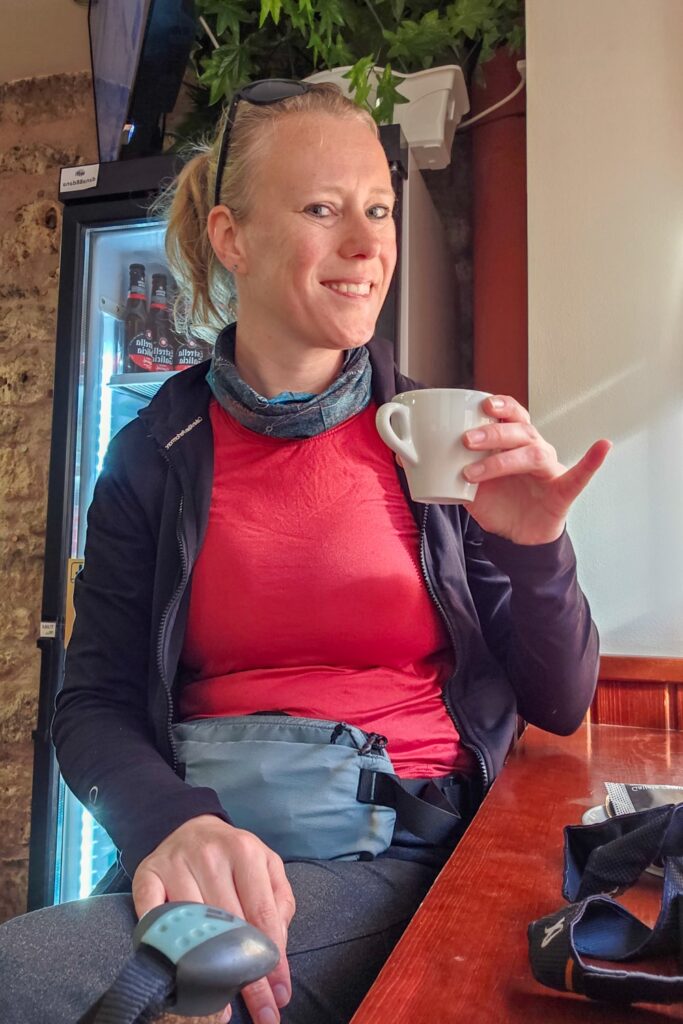
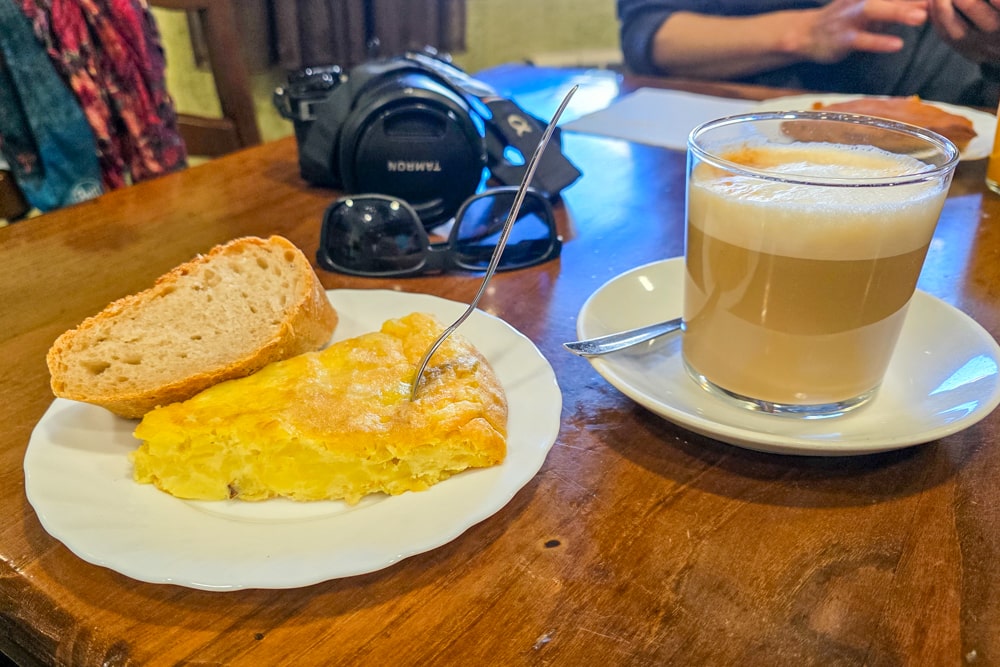
When it came to food, I mainly wanted to take good care of myself and not stress too much about money. I usually started the day with something small, with an apple and a granola bar, and sometimes a yogurt if there was a fridge. After walking a few kilometers, I would stop for a “real” breakfast: always a café con leche and a tortilla in a Spanish café. It became a bit of a ritual and one of my favourite moments of the day.
I rarely had a big lunch. Most days it was something simple like tapas, a sandwich, fruit or a salad from the supermarket. In between, I often picked up a little treat here and there. Like an ice cream, a snack, an extra coffee. Individually they were small amounts, but they added up over time.
In the evenings, I usually went for the pilgrim menu: three courses with wine, typically priced between €12 and €17. It wasn’t always amazing, but usually good enough and often quite social, especially when dining with other pilgrims. I hardly ever cooked for myself. Most kitchens weren’t really equipped for that anyway.
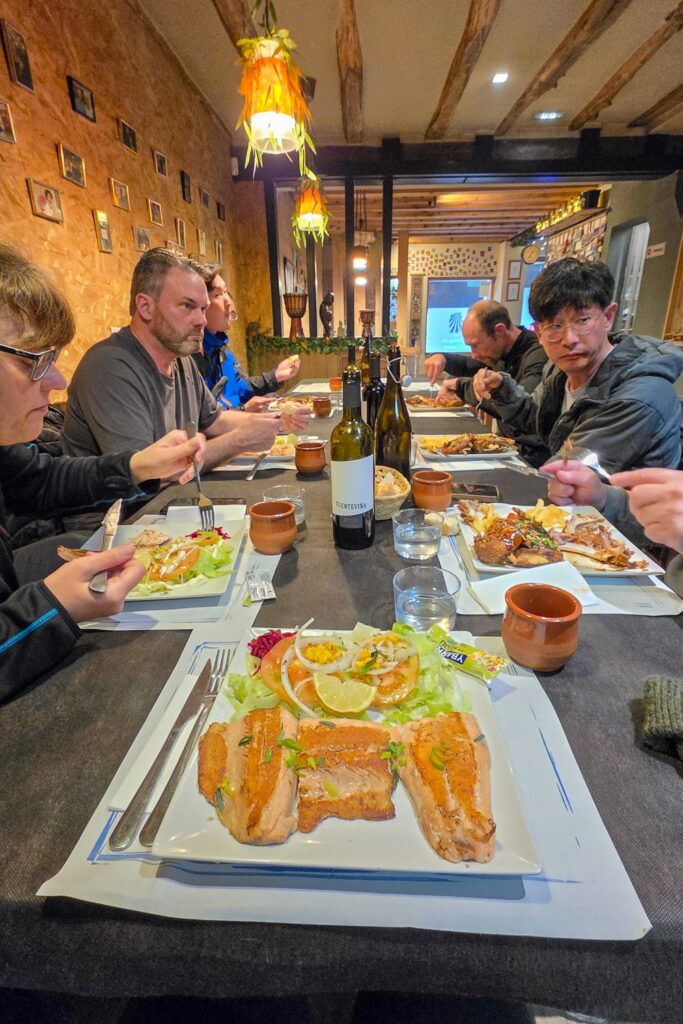
In total, I spent €919.72 on food over 35 days, which comes down to about €26.28 per day. That’s fairly generous, but it suited me. I wanted to enjoy the Camino and the good food (and drinks) Spain has to offer.
- Total food cost: €919.72
Shopping
I did not spend much on things along the way, but a few small purchases were definitely worth it. I lost my buff in one of the albergues. This was a really essential item for me, since I used it every day: for sun protection, as a headband, and at night as a sleeping mask. So I bought a new one with a Camino design, which also made for a practical souvenir.
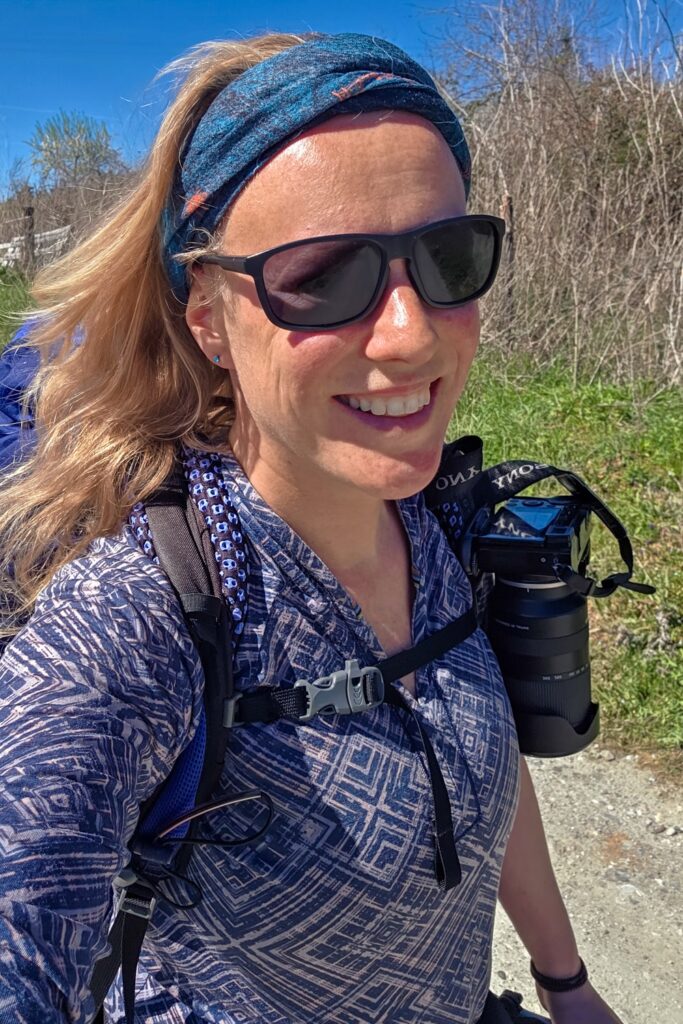
I also picked up a t-shirt, a postcard, and a small gift for a fellow pilgrim. These were all minor expenses, but they were part of the experience for me.
- Total cost shopping: €33.04
Entrance fees
Along the way, I visited a few special places that required an entrance fee. In Pamplona and León, I visited the cathedrals, and in Nájera, I went inside the monastery. These were beautiful stops that added some extra depth to the journey.
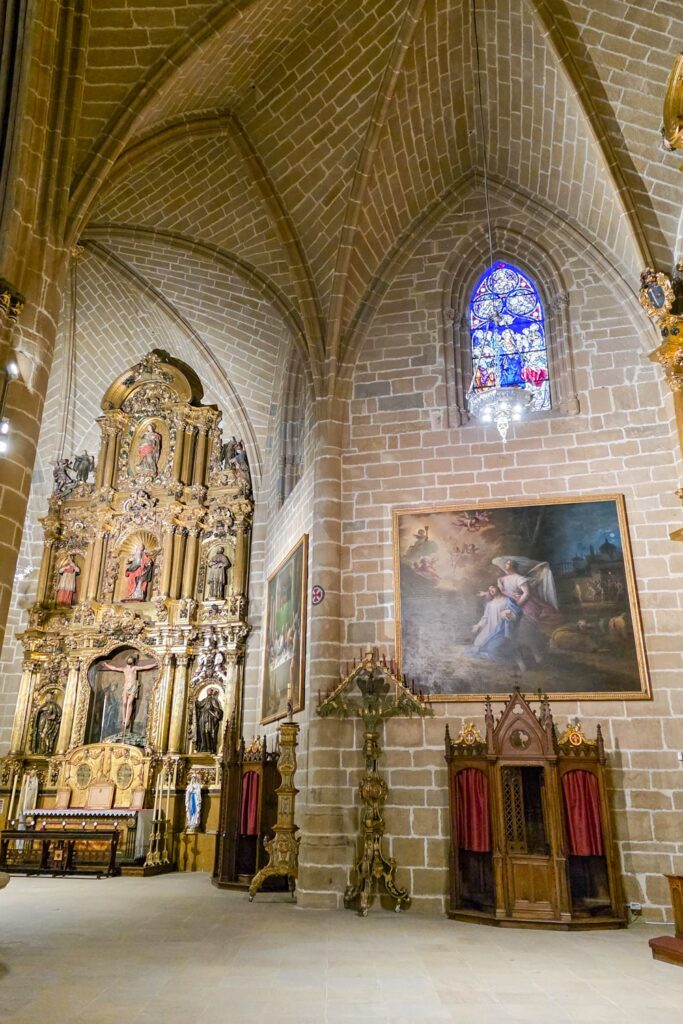
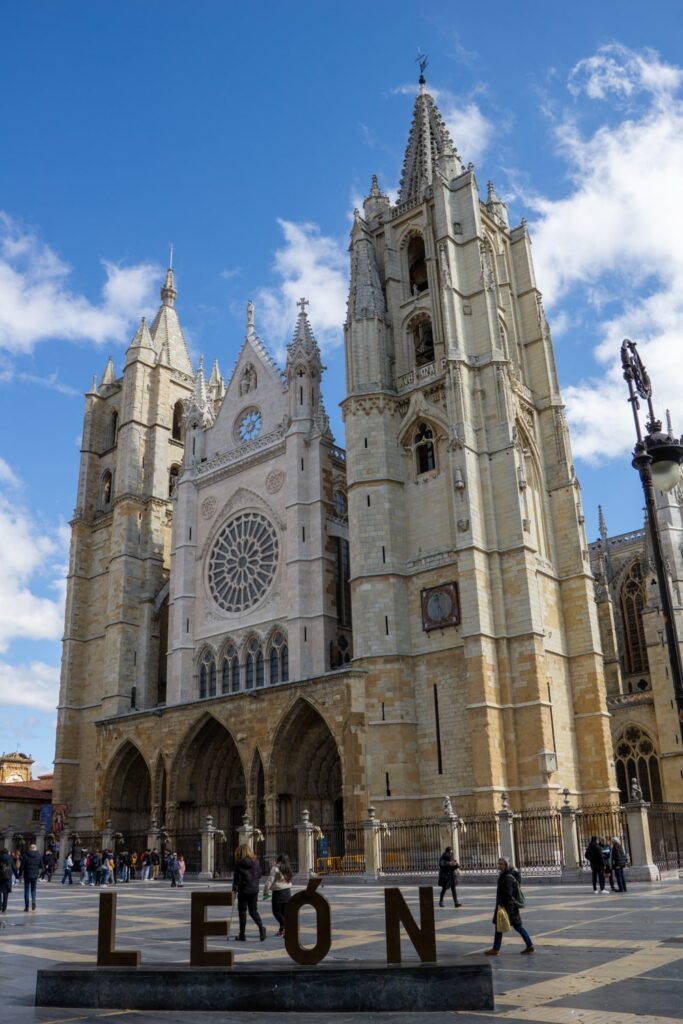

That was about it. Most sights along the Camino are free or located right on the route.
- Total cost of entrance fees: €15.00
Miscalleneous
Expenses in this category were small but unavoidable. Most of it went to doing laundry, something I did regularly since I was travelling light. A wash and dry usually cost between €5 and €8. Sometimes I could share a machine with another pilgrim, which helped keep the cost down.
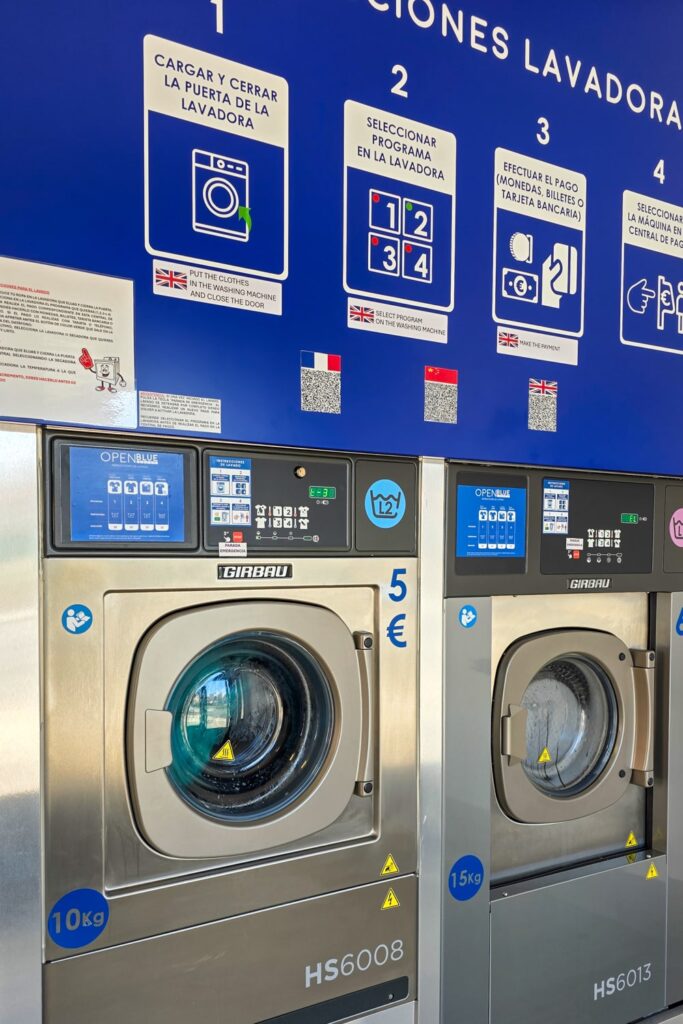
This category also includes ATM fees. You often need cash on the Camino, and especially early on I withdrew small amounts, which meant paying around €2 in fees each time. Later I switched to taking out larger sums to reduce those extra charges.
- Total miscellaneous cost: €56.61
The total cost of my Camino Francés
In total, I spent €2106.41 on my Camino Francés. That includes everything: transportation, accommodation, food, entrance fees, small purchases, and other costs like laundry and ATM fees.
It might seem like a lot, but considering I was travelling for 35 days – including travel and rest days – it works out to an average of €60.19 per day. For me, that felt like a good balance between comfort and simplicity. I made conscious choices along the way: sometimes I went low-budget, other times I allowed myself a bit more comfort, especially when it came to food and accommodation. These were also by far the biggest expenses.
Camino Francés budget tips
Everyone walks the Camino in their own way, and that includes how they handle their budget. Still, there are a few ways to be smart with your money along the way, without compromising your experience. These are my personal tips:
1. Book your transportation early
If you’re planning to travel to the Camino by train, booking early can save you a lot of money, especially on international routes. Train tickets within Europe usually become available around three to four months before departure. Sites like Rail Europe make it easy to compare and book tickets across different countries in one place. Flights also tend to be cheaper when booked in advance, so it pays to plan ahead.
2. Mix basic and comfortable accommodation
Sleeping in albergues is the cheapest option, especially in the municipal ones. But treating yourself to a private room or a smaller hostel with more privacy (like beds with curtains) can do wonders for your body and mind. Mixing things up helps you stay energised and enjoy the journey more.
3. Share costs with fellow pilgrims
Split laundry, share a room, buy a large bottle of water together or share a cab. It may not seem like much, but it all adds up. Plus, it leads to fun conversations and new connections.
4. Pilgrim menus are your best friend
For €12 to €17, you get three courses and wine (or water). It might not be gourmet food everywhere, but it’s nourishing, affordable and social. Many places offer these menus both at lunch and dinner. You can cook for yourself if you want to save even more, but be aware that many kitchens are quite limited.
5. Be mindful of ATM fees
In Spain, cash is still widely used, especially in smaller towns. Avoid withdrawing small amounts often, as every transaction usually comes with a fee. It’s better to take out a bit more at once to reduce those extra costs.
6. Small expenses add up
A coffee here, a tortilla there, a glass of wine in the afternoon… They seem like small treats, but they do add up over time. Nothing wrong with that if it brings you joy (it did for me), just keep it in mind.
7. Budget for unexpected things
Think of a buff you lose, laundry costs, a night in a private room if you’re sick, or a cathedral entrance fee you hadn’t planned for. These things seem minor but are very real along the way.
8. Cut yourself some slack
You do not have to spend a fortune, but budgeting too tightly can create unnecessary stress. A bit of extra money can make a huge difference in how relaxed and enjoyable your Camino feels.
Walking the Camino Francés was one of the most meaningful experiences I have ever had. It was not the cheapest trip, but definitely not the most expensive either. Most of all, it was worth every euro. By making conscious choices and allowing for some comfort along the way, I found a style of travel that truly suited me.
I hope this breakdown helps you get a realistic idea of what to expect and supports you in planning your own Camino budget. Whether you keep it super basic or allow yourself a little extra now and then, there is no right or wrong. Buen Camino!
Read more about the Camino
Planning to walk the Camino Francés and looking for some inspiration or practical tips? A good guidebook is always useful, and it’s also nice to dive into the stories of other pilgrims. Here are a few book suggestions:
A Pilgrim’s Guide to the Camino de Santiago – John Brierley (a popular, practical guide with route info and spiritual notes)
I’m Off Then: Losing and Finding Myself on the Camino de Santiago – Hape Kerkeling (funny and relatable account by a German comedian)
You can find more practical advice and inspiration for your Camino on this website. Besides walking the full Camino Francés, I have also hiked sections of the Camino del Norte and the Camino Primitivo. Take a look at one of these articles:
- Camino Francés Guide: practical tips and personal experiences
- Camino Francés stages explained: route planning & where to stay
- My Camino Francés travel diary
And if you like receiving travel inspiration, you’re welcome to sign up for my newsletter, where I share hiking tips, stories and beautiful destinations.
Thanks for reading. As you can imagine, maintaining a website takes time and money. If you plan to book a train ticket, buy a guidebook or anything else, I’d really appreciate it if you use one of the links in this article. I earn a small commission at no extra cost to you – and it helps me keep this website running. Want to support this website directly? Read more here.



Leave a reply