
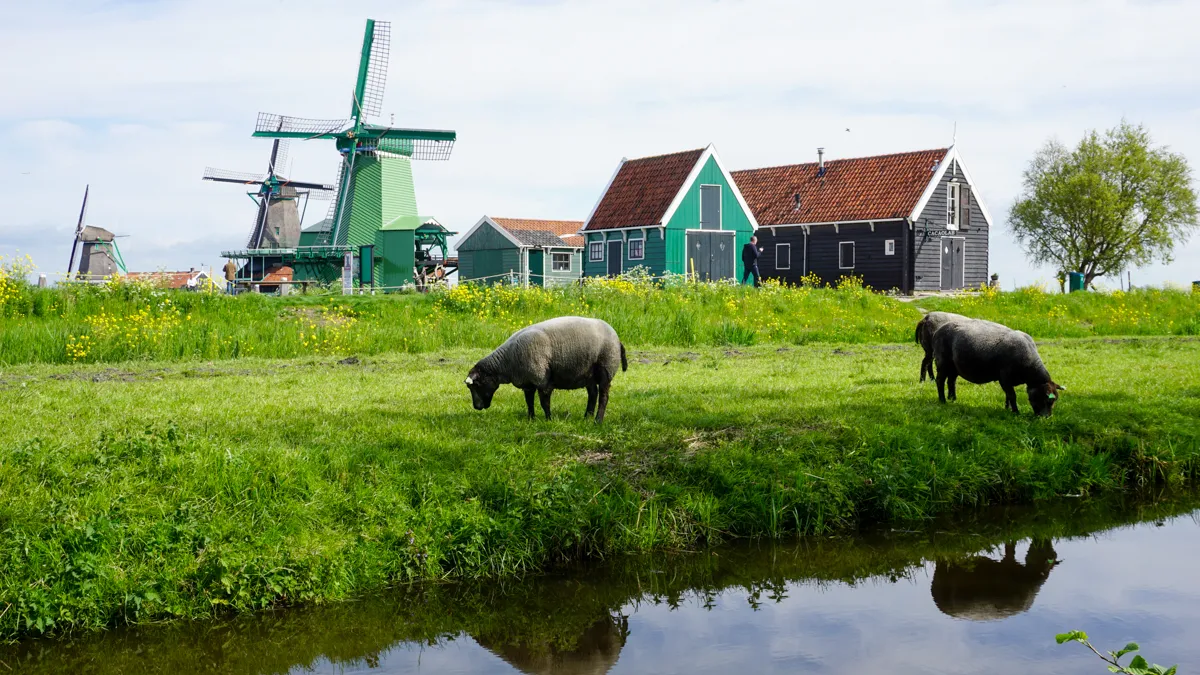
A 7-day Netherlands itinerary from Amsterdam and The Hague, without packing up every night. Plus an optional week in the quiet north.
- How I would spend a week in the Netherlands
- Your Netherlands itinerary at a glance
- Getting there and getting around
- Base 1: Amsterdam (days 1 to 4)
- Base 2: The Hague (days 5 to 7)
- Got another week? Head north
- Best time for this itinerary
- Frequently asked questions
- Read more about traveling in the Netherlands
How I would spend a week in the Netherlands
I grew up as a village girl in the north of the Netherlands. When I moved to Amsterdam, I found everything about the big city fascinating, and I spent my free days exploring as much of the country as I could. I never had a car, and I never needed one: from Amsterdam I could reach almost everywhere by train. In the end I stayed for more than ten years. Today I live in the north again. So if you ask me how to spend a week in the Netherlands, I won’t give you a list of 30 places. I’ll tell you to pick two bases and take day trips.

The Netherlands is small and the trains are frequent, so you really don’t need to change hotels every night. In this itinerary you spend four nights in Amsterdam and three in The Hague. From those two cities you reach the canals, the windmills, the dunes, the beach, Rotterdam, Delft and Leiden without packing your bag again. And if you have a second week, I’ll show you the part of the country most visitors skip: the north.
Your Netherlands itinerary at a glance
This is the whole week on one screen. Train times are approximate and count from the main station of your base.
| Day | Base | What you do | Travel time |
|---|---|---|---|
| 1 | Amsterdam | Canal ring and Amsterdam Noord | On foot, free ferry |
| 2 | Amsterdam | Vondelpark, Museumplein, Oud-Zuid, De Pijp | On foot or tram |
| 3 | Amsterdam | Zaanse Schans early, a slow afternoon in Amsterdam | About 20 minutes by train |
| 4 | Amsterdam | Haarlem and the dunes of Zuid-Kennemerland | About 15 minutes by train |
| 5 | The Hague | Move to The Hague, city centre and Scheveningen | About 50 minutes by train |
| 6 | The Hague | Delft and/or Rotterdam | About 10 and 25 minutes by train |
| 7 | The Hague | Leiden and the bulb fields by bike (spring) or the beach | About 15 minutes by train |
| 8 | Fly home from Schiphol | About 30 minutes by train |
Getting there and getting around
Most people arrive at Schiphol, the airport just outside Amsterdam. From there, a direct train takes you to Amsterdam Centraal in about 15 minutes. Coming from London, Brussels or Paris, the train is often just as fast as flying once you count the airport time, and you arrive right in the city centre.
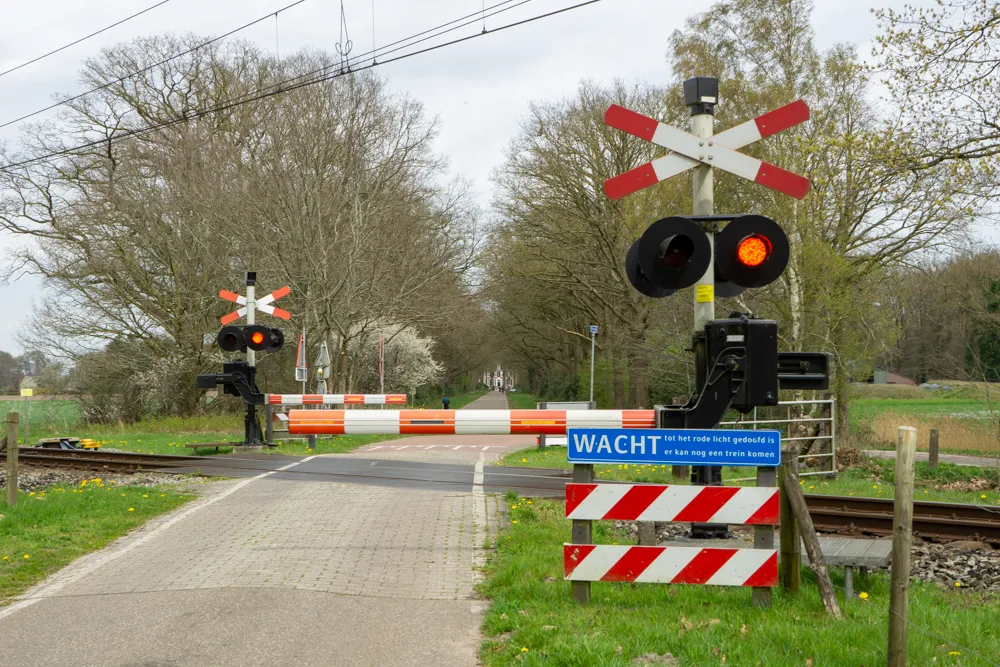
For this week you don’t need a car. Trains between Dutch cities run several times an hour, and you don’t have to buy tickets in advance. Simply tap in and out at the gates with your contactless debit or credit card (this system is called OVpay). The same card works on trams, buses and metros. Tip: always use the same card to tap in and out, or you’ll be charged the maximum fare.
A car only starts to make sense if you add the second week in the north. More about that further down.
Before you go
🛤️ Arriving by train? Compare trains from London, Brussels and Paris on Omio.
📱 Stay online: an eSIM saves you from hunting for Wi-Fi with a map open. Check the plans for the Netherlands at Sim Local.
🏙️ Book your two bases early: hotels in Amsterdam fill up fast, especially in spring. You’ll find my picks under each base below.
Base 1: Amsterdam (days 1 to 4)
Four nights in Amsterdam sounds like a lot, but you need that time if you want to see the city without rushing. Two of those days you stay in the city itself, the other two you head out early and come back for dinner.
Day 1: the canal ring and Amsterdam Noord
You can’t skip the canal ring on a first visit, but be prepared: in the middle of the day it’s very, very busy. My advice is to go early in the morning. Before 9 a.m. the canals are quiet, the light is soft and you’ll have the bridges almost to yourself. That is when Amsterdam is at its most beautiful. If you like a route to follow, use my self-guided walking tour of Amsterdam.

In the afternoon, walk to the back of Amsterdam Centraal and take the free ferry to NDSM wharf in Amsterdam Noord. This old shipyard is full of street art, and the Straat Museum shows some of the best of it. It feels like a completely different city, ten minutes from the busiest part of Amsterdam.

Prefer to see the canals from the water? Book an evening canal cruise, when the bridges are lit.
Day 2: Vondelpark, Museumplein and Oud-Zuid
Start the day in the Vondelpark and walk on to Museumplein, where you’ll find the Rijksmuseum and the Van Gogh Museum. A tip from my Amsterdam years: the Van Gogh Museum stays open until 9 p.m. on Fridays. An evening visit is calmer and feels special. Plan this day on a Friday if you can, and book a time slot online in advance.

I lived in Oud-Zuid for a while, and it’s still one of my favorite neighborhoods to walk through. The streets are wide, the houses are grand and there are hardly any tourists.
Just next to it is the Albert Cuypmarkt in De Pijp, a street market where I came all the time. It’s open Monday to Saturday, and it’s the place to try a fresh stroopwafel. Head to Sarphatipark to eat it, a beautiful green oasis in the busy neighborhood. You’ll find more parks to escape the crowds in 12 awesome parks in Amsterdam.
What I’d skip: the Anne Frank House
I know this is a controversial one. Anne Frank’s story is incredibly important, but I’ve been twice and I wasn’t blown away. You need to buy tickets weeks ahead, and inside it’s crowded, even though most rooms are empty. If you want to understand the history of the city, I’d go for the Amsterdam Museum instead. Good to know: this museum is currently being renovated and will have a grand reopening in 2030. For now, you can go to Amsterdam in Motion, which is located in Cultuurpark Westergas. Alternatively, you can visit one of the canal houses, like the Museum of the Canals (Grachtenmuseum) or Museum Van Loon, to learn more about living along the famous canals in the 1700s.
Day 3: Zaanse Schans and Amsterdam Oost
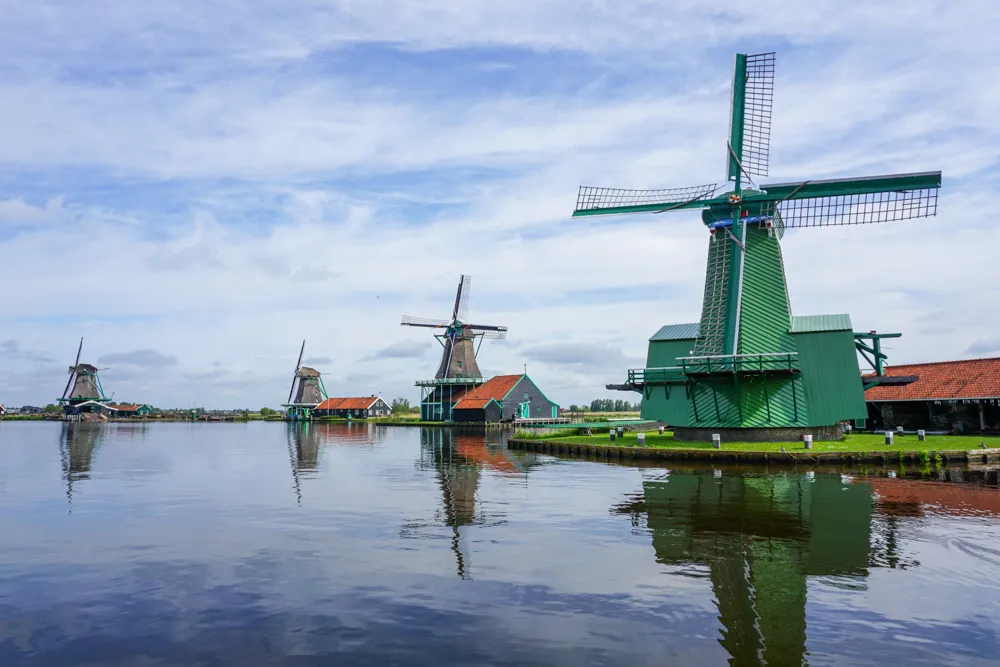
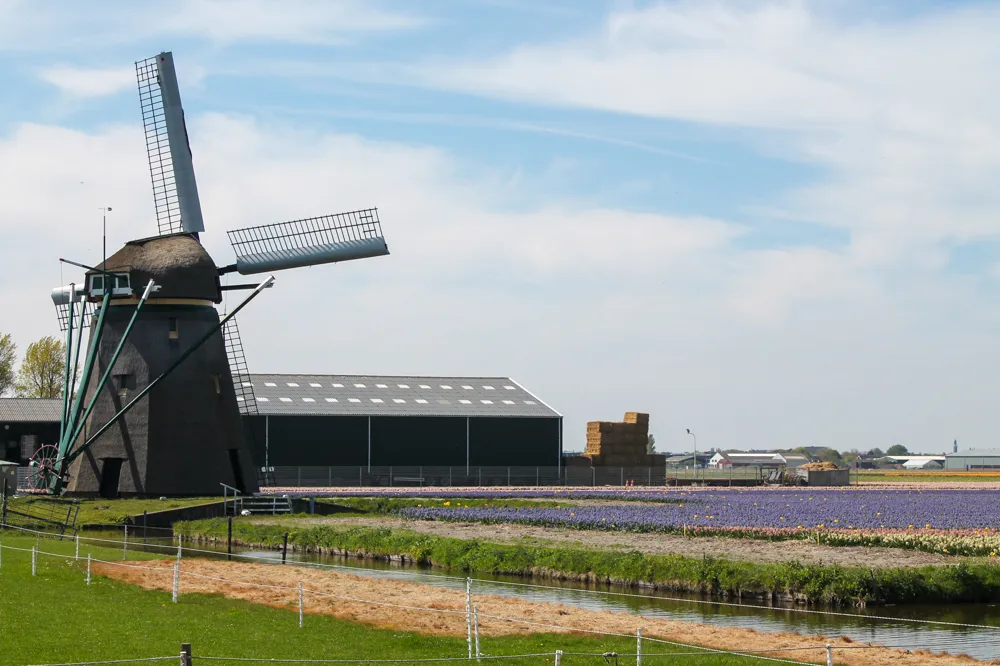
The Zaanse Schans is the place for windmills, wooden houses and cheese, and it’s only about 20 minutes by train from Amsterdam (get off at Zaandijk Zaanse Schans). I’ll be honest: I went there on purpose during the COVID years, when there was nobody around. On a normal day, tour buses arrive from late morning. So go early. Even with other people around, it really is picture-perfect.
Day trip tip: let someone else do the planning
Would you rather not arrange the Zaanse Schans yourself? A guided day trip from Amsterdam often combines the windmills with the old fishing villages of Volendam and Marken, so you see three classic Dutch sights in one day. Check the Zaanse Schans day trips on GetYourGuide.
Back in Amsterdam, take it easy. If you still have energy, walk through the Oosterpark in Amsterdam Oost or browse the market on Waterlooplein, right in the old Jewish quarter. Artis, the city zoo, is lovely too, but combined with the Zaanse Schans it makes for a very long day. Save it for a morning of its own if you have extra time.
Day 4: Haarlem and the dunes of Zuid-Kennemerland
Haarlem is only 15 minutes by train from Amsterdam, but it feels much more relaxed. The city centre is lovely to wander, with good shopping streets and plenty of places for lunch.

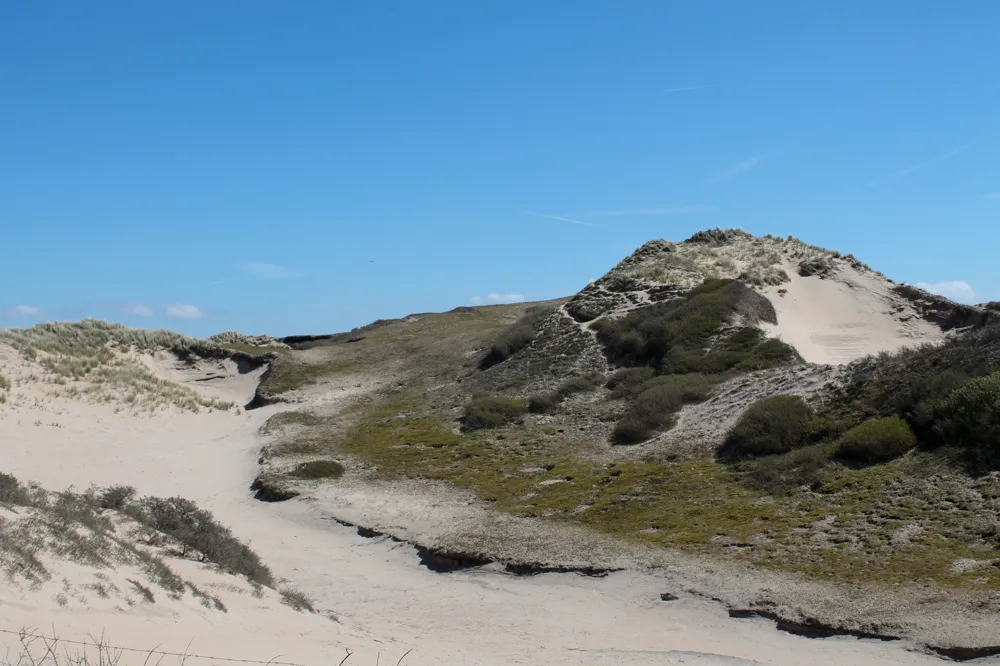
After lunch, trade the city for the dunes. National Park Zuid-Kennemerland lies between Haarlem and the sea, and hiking there is easy: the routes are clearly marked, so you don’t need a map or an app. You can combine it with Zandvoort and end the day on the beach. Everything you need to know is in my guide to National Park Zuid-Kennemerland.

Where to stay in Amsterdam
For this itinerary, stay within walking distance of Amsterdam Centraal or the canal ring, so your early mornings and day trips start without a long commute. These are hotels I’ve recommended before.
- Boutique Hotel The Noblemen: right on a canal, and every room is decorated differently. Perfect for those early walks along the water.
- Hotel Estheréa: also on a canal, with soft colors, unusual patterns and fresh flowers in the rooms.
- Outside Inn: the one to pick if you want something different. You sleep in a vintage caravan or beach house, set up like a campground inside a big hall.
- CityHub Amsterdam: a smart budget option where you sleep in a pod you control with an app. The shared bathrooms are clean and have rain showers.
Looking for more options? See all hotels in Amsterdam on Booking.com
Base 2: The Hague (days 5 to 7)
For the second half of the week, The Hague is the easiest base. Leiden, Delft and Rotterdam are all a short train ride away, and you can choose between the historic city centre and a hotel by the sea.
Day 5: The Hague and Scheveningen
The train from Amsterdam to The Hague takes about 50 minutes. Drop your bags and head to the Hofvijver, the pond in the city centre. The Hague is the seat of the Dutch government, and it’s fun to see the parliament buildings reflected in the water.
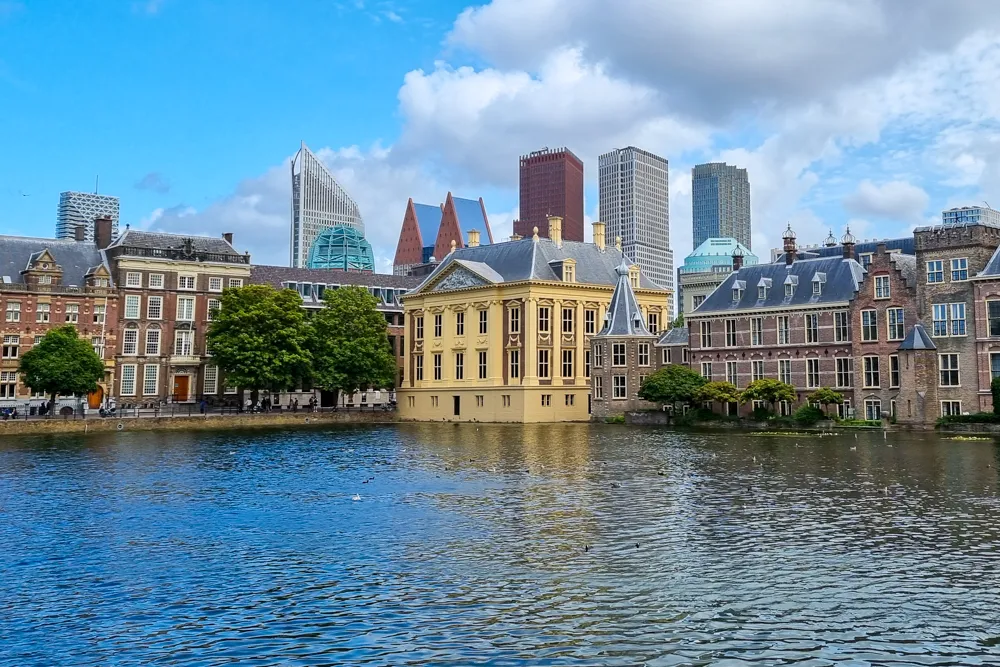
Right next to it is the Mauritshuis, home to Vermeer’s Girl with a Pearl Earring and a must-see. The Hague is a great city for art in general. I really enjoyed Escher in Het Paleis, where the optical illusions are fun even if you don’t usually like museums.
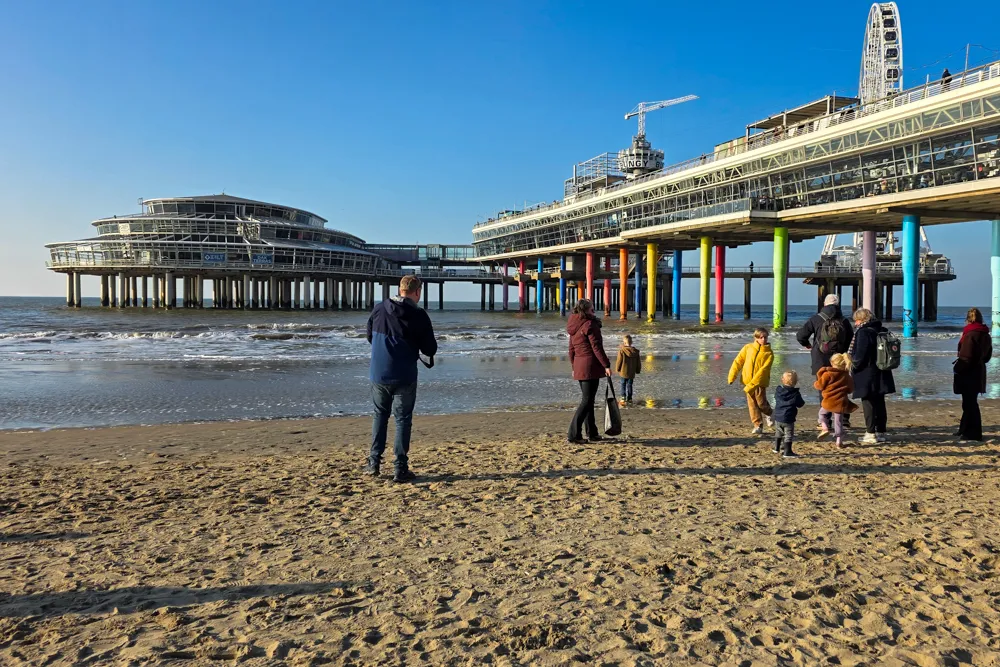
End the day in Scheveningen, the beach of The Hague. Outside of summer you can have long stretches of sand almost to yourself. More ideas are in my list of things to do in The Hague.
Day 6: Delft and Rotterdam
This is the fullest day of the week. Delft and Rotterdam are only about 15 minutes apart by train, so you can do both. If that feels like too much, pick one and take it slow. Delft is only about 10 minutes from The Hague and makes a lovely morning.
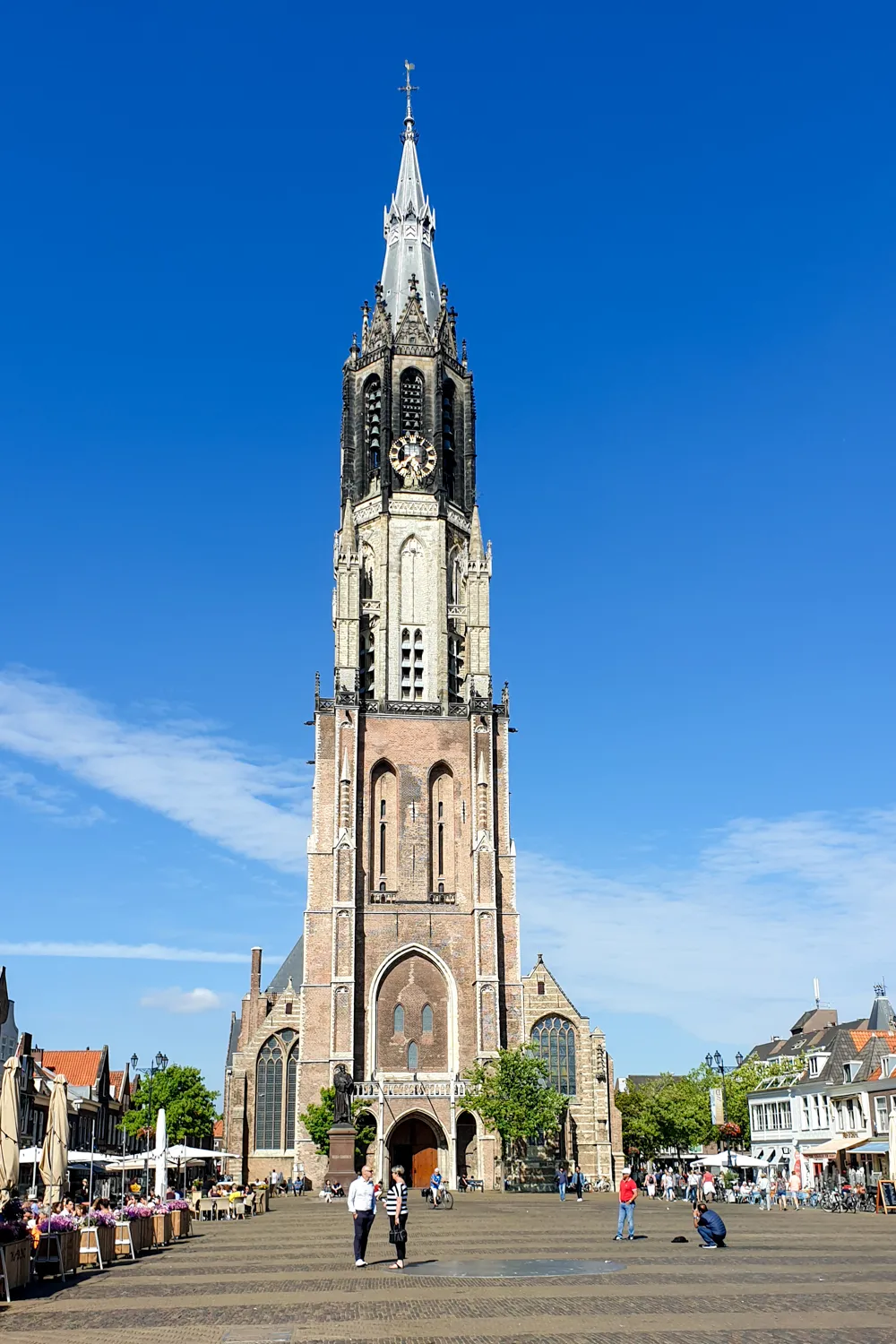
Step inside the Nieuwe Kerk, where members of the Dutch royal family are buried, and climb the tower for an amazing view of the city and its surrounding area. Then wander along the canals and past the shops selling Delft Blue pottery. It’s a small city that’s best explored without a plan.
After lunch, continue to Rotterdam, about 15 minutes further. Rotterdam is the big city of the Netherlands, rebuilt after the Second World War with bold modern architecture. What always impresses me is the contrast of the historic buildings and the modern skyscrapers.
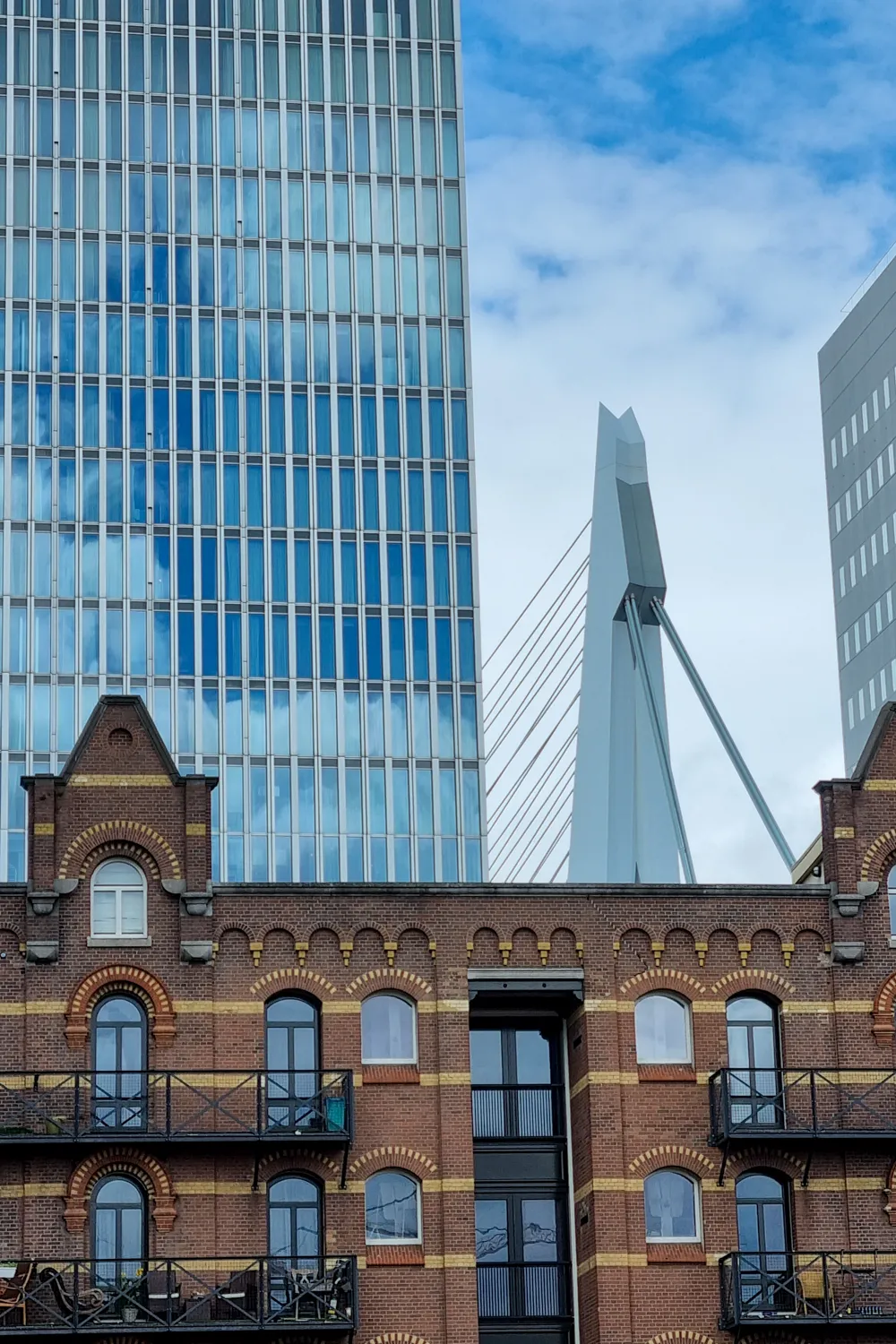
There are a few things you shouldn’t miss: the Erasmus Bridge, the yellow Cube Houses that seem to stand on their tips, and the Markthal, a food market under a huge arched roof covered in artwork.
Would you rather skip Rotterdam? Utrecht is a great alternative, about 40 minutes by train from The Hague. It’s smaller and has canals with wharves at water level.
Day 7: Leiden and the tulip fields by bike
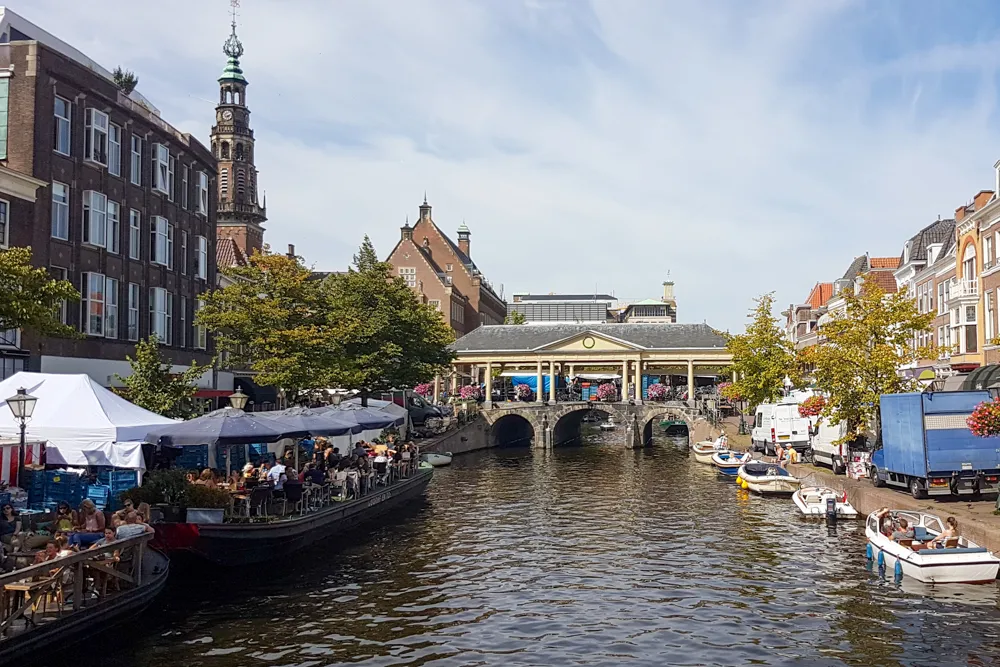
Leiden is about 15 minutes by train from The Hague. It’s a student city with canals, old almshouses and plenty of cafés along the water. I personally find it one of the most beautiful cities in the Netherlands. It has so many historic buildings.
If you travel in spring, rent a bike in Leiden and cycle towards Noordwijk. Around mid-April, the fields between Leiden and the coast turn into stripes of red, yellow and purple. You don’t need a fixed route. I simply cycled in the direction of Noordwijk and turned off at every field I spotted.
Please don’t walk into the fields for a photo. The farmers really don’t like it, and you damage the flowers. A photo from the edge of the road looks just as good.
🚲 Rather join a group? Book a tulip fields bike tour.

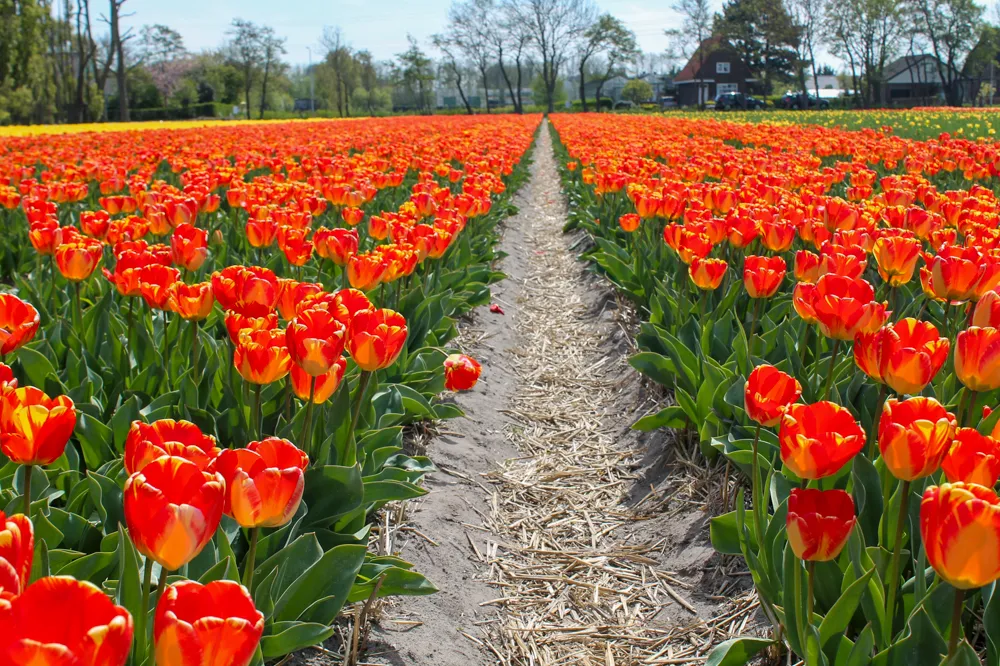
You’re probably wondering about Keukenhof, the famous flower park nearby. I’ll be honest: I’ve never been inside. While cycling past, I saw the tour buses lined up in the parking lot, and the fields around it gave me all the color I was looking for. If you do want to visit Keukenhof, it’s only open in spring, and arriving right at opening time is your best chance at a quieter visit.
Outside of tulip season, spend the afternoon walking in dunes and on the beach at Noordwijk instead.
Day 8: home
From The Hague, the train to Schiphol takes about 30 minutes, so even a late-morning flight is easy to catch.
Where to stay in The Hague
In The Hague you have two good options. Stay near Den Haag Centraal and everything is close: the trains to Delft, Rotterdam and Leiden leave right outside your door. Or choose a hotel in Scheveningen, wake up by the sea and take the beach evenings for granted. The tram gets you into the city centre in about 20 minutes.
- Moxy The Hague: where I stayed myself the last time I visited the city. It’s right in the city centre and only a 5-minute walk from the train station. Rooms are modern, spacious and soundproof.
- Boulevard Hotel Scheveningen: a very nice family-owned hotel right on the beach.
- B-aparthotel Kennedy: apartments near Kunstmuseum Den Haag, halfway between the city centre and Scheveningen. Handy if you like having a kitchen.
More options: See all hotels in The Hague on Booking.com
Fun place to stay: a night on the SS Rotterdam
Would you rather spend a night in Rotterdam? I once went to a concert there and slept on the SS Rotterdam, a former Holland America Line ocean liner that is now a hotel in the harbor. The cabins have kept their 1950s style, and walking around the decks feels like being on a cruise that never leaves.
Got another week? Head north
If you ask me, the north is the part of the Netherlands that most visitors miss, and the part I’m most at home in. I’ve lived here for a large part of my life. Friesland, Groningen and Drenthe sit right next to each other, but they feel like three completely different provinces. You’ll find fewer crowds, more space and a much slower pace than in the west.

For this week, a car makes life a lot easier. The trains reach the cities, but lakes, villages and national parks are spread out. Pick up a rental car in Amsterdam or at Schiphol through Discover Cars. Check what the insurance covers before you book, as the basic package often has a high deductible.
On the way: Flevoland and Giethoorn
Driving north from Amsterdam, you cross Flevoland, land that was the bottom of the sea less than a century ago. Stop at Schokland, a former island now surrounded by fields, and walk in Nieuw Land National Park. Just before you reach Friesland, the village of Giethoorn is worth a detour, with its canals instead of streets.

Base 3: Friesland
For a first trip to the north, I’d pick Friesland. It has its own language, beautiful lakes and the eleven historic towns of the Elfstedentocht, each with its own character. Stay near the lakes in the southwest, rent a boat for an afternoon, and visit towns like Sloten, Hindeloopen and Sneek. Read more in things to do in Friesland, my city trip in Southwest Friesland and things to do in Leeuwarden, the provincial capital.

Base 4: Groningen
Groningen is completely different. Down to earth, flat, with wide views over the fields and a lively student city at its heart. From the city you can drive to Lauwersmeer National Park or explore the villages and churches of the province. If you prefer to learn more about the city of Groningen, make sure to read 15 fun things to do in Groningen: tips from a local.

If you have more time: Drenthe and the Pieterpad
Drenthe is the province of the hunebeds, the megalithic tombs that are older than the pyramids. It gives you a glimpse of the prehistoric Netherlands, surrounded by heath and forest. See things to do in Drenthe. And if you’d rather explore on foot, the Pieterpad long-distance trail starts in the far north of Groningen.

Best time for this itinerary
Spring is the obvious choice if you want to see the tulips. The bulb fields usually peak around mid-April, but the exact timing depends on the weather that year. Expect daytime temperatures of roughly 12 to 15°C (54 to 59°F). Keep in mind that Amsterdam is extremely busy around King’s Day on April 27, so book well ahead or avoid that date.
Summer brings the longest days and the best beach weather, with highs around 20 to 23°C (68 to 73°F). However, heatwaves get more common and the humidity is high. It’s also the busiest season. Early fall is a good compromise: September is often still mild, the crowds are gone and the dunes and parks are quiet again. In winter the days are short and gray, but the cities are cozy.
If you’re visiting the Netherlands for the first time, I definitely recommend spring (April and/or May). Usually, the weather is lovely and it’s amazing to see all the flowers everywhere.
Frequently asked questions
A few practical questions to help you plan your first trip to the Netherlands.
Is one week enough for the Netherlands?
One week is enough to see the highlights of the west without rushing, as long as you stick to two bases. If you want to see more than the big cities, add a second week in the north.
Should I travel by train or by car?
Both work. Distances in the Netherlands are small, so choose whatever suits you. I’ve never had a car myself and did everything by train, which is the easiest way to travel between the cities. A car gives you more freedom, especially in the north, where the lakes, villages and national parks are more spread out. Just keep in mind that parking in Amsterdam is expensive and hard to find.
Can I do this itinerary in reverse?
Yes. If your flight lands in the afternoon or you arrive by train from Brussels or Paris, starting in The Hague or Rotterdam works just as well. Simply end with your four nights in Amsterdam.
Do I need to book anything in advance?
Book your hotels early, especially in spring and summer. Museums like the Van Gogh Museum and the Rijksmuseum work with time slots, so reserve those online. Train tickets you don’t need to book: you can just tap in with your contactless card.
Read more about traveling in the Netherlands
Still deciding what to add to your itinerary? These articles help you choose.
- 11 gorgeous places to visit in the Netherlands
- 18 hidden gems in the Netherlands: off the beaten path with a local
- 12 beautiful cities in the Netherlands
- The national parks of the Netherlands
Check out all my tips for my home country on this page.
In addition, it’s also useful to get a travel guide, like Lonely Planet The Netherlands.
Want more tips like these in your inbox? Sign up for my newsletter.
This article contains affiliate links. If you book or buy something through one of these links, I receive a small commission. Support this website.


Leave a reply