
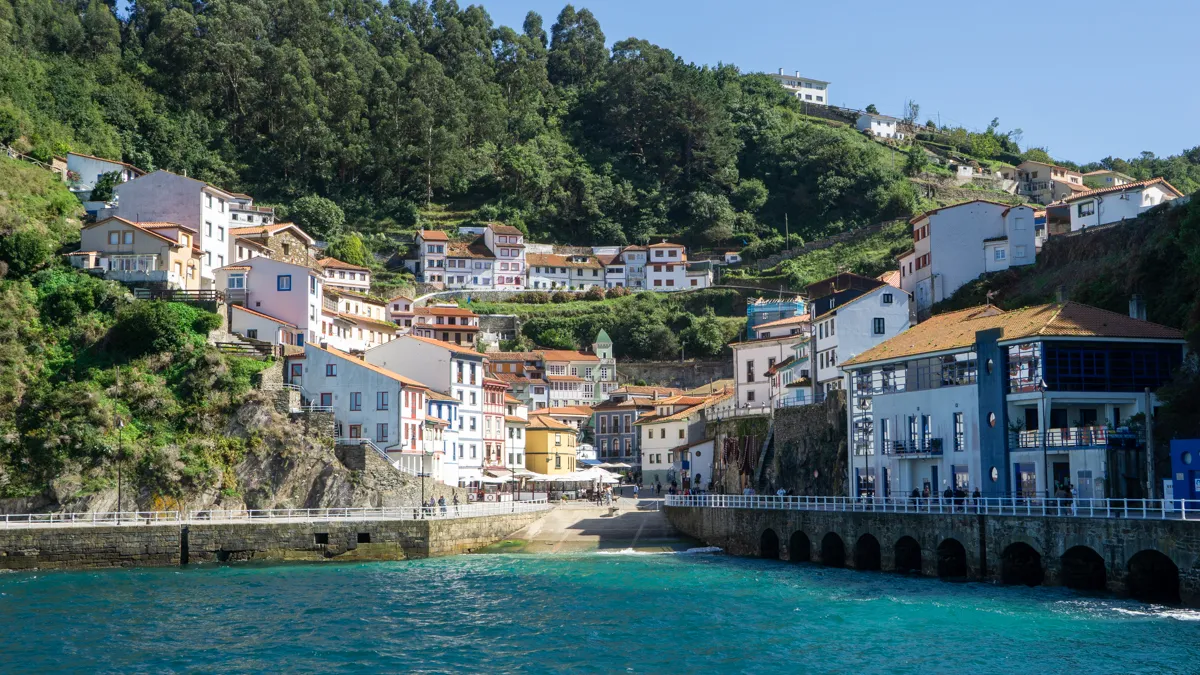
Discover the best coastal towns in Spain. My personal tips for an idyllic trip to the most beautiful seaside destinations in Andalusia, Galicia, and more.
Why Spain’s coastal towns are so special
I travel to Spain several times a year. While the major cities remain a big draw, I always look for quieter, more authentic spots. The coastal locations, in particular, never cease to amaze me. A great seaside town instantly creates that perfect vacation feeling. It is the combination of a brisk walk along the shore, narrow streets filled with historic buildings, vibrant flowers, and a sunny terrace overlooking the sea. Add the delicious Spanish food and the local hospitality, and you have the perfect getaway.

While some of these towns have been discovered by the masses, others still allow you to fully immerse yourself in local life. These places might not be at the top of every tourist’s list, but they are essential if you want to experience the “real” Spain.
The best coastal towns in Spain
Below is a selection of places that impressed me with their stunning locations, rich history, or unique atmosphere.
Cadaqués (Catalonia)
This former fishing village was a major inspiration for Salvador Dalí, and you will understand why the moment you arrive. It is arguably the most photogenic spot in Catalonia, especially when approaching via the winding road through the rugged landscape of Cap de Creus. The contrast of whitewashed houses against the azure sea creates a picture-perfect backdrop. Beyond the beach, the real charm lies in wandering through the narrow streets and discovering quaint local cafes.

Combine your visit with nearby Port Lligat, which is just as beautiful. Located between the two areas is the Dalí House-Museum, easily recognized by the iconic giant eggs on the roof. Be sure to book your tickets well in advance, as spots are very limited. For me, it remains one of the most unique buildings I have ever visited.
- Top activity: Book your ticket to visit the Dalí House-Museum
- Where to stay: Boutique Hotel Villa Gala (4⭐) – a beautifully designed boutique hotel with a pool in a prime location.
Nerja (Andalusia)
Nerja is famous for the “Balcony of Europe,” offering spectacular views across the Mediterranean. Despite the popularity of the Costa del Sol, Nerja still retains its authentic charm. The town center is a maze of narrow streets where you can find an inviting tapas bar on every corner. One of the highlights is the collection of small coves, such as Playa de Maro, where the cliffs drop steeply into crystal-clear water.

While in Nerja, make sure to visit the famous stalactite caves (Cueva de Nerja). These were one of my biggest surprises in Andalusia; the cave system is much larger and more impressive than expected. Plus, the natural coolness inside is a welcome relief on a hot day.
- Top activity: Book your tickets to the Cueva de Nerja in advance to skip the line.
- Where to stay: Hotel Puerta del Mar (3⭐) – A lovely hotel in the heart of town, practically next to the Balcony of Europe, featuring a rooftop pool with stunning views.
- Read more: 16 Best things to do in Nerja Spain
Cudillero (Asturias)
I visited Cudillero at the very end of my trip through Asturias, and my jaw dropped when I rounded the corner and saw the town. This fishing village in Northern Spain is built into a steep mountainside, with colorful houses forming a natural amphitheater around the central square. The vibe here is completely different from the south; it is greener, more rugged, and feels very local.
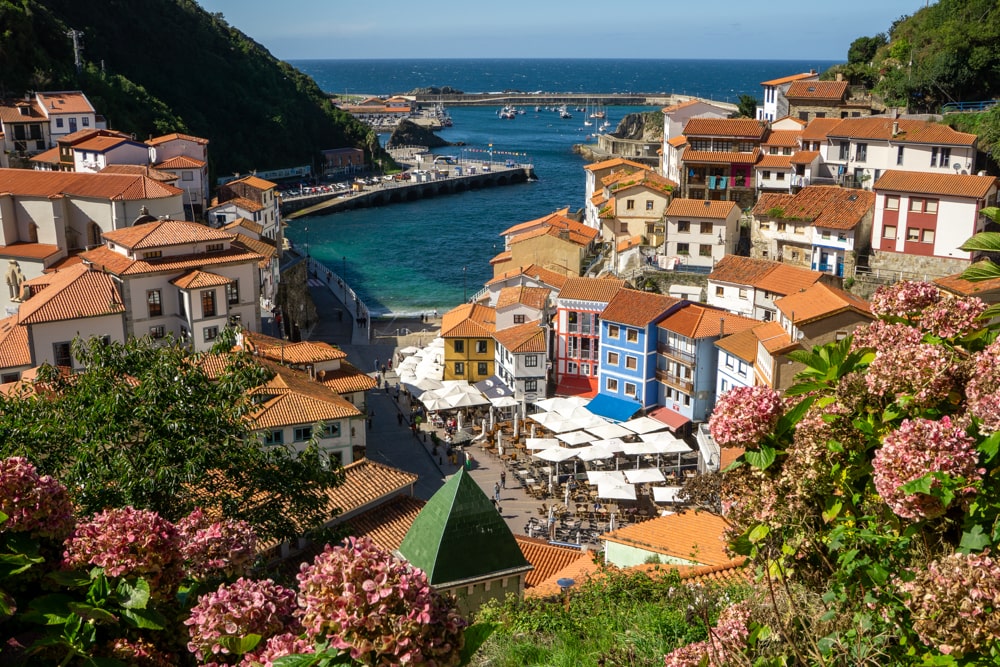
My tip: Climb up to the various ‘miradores’ (viewpoints). It is quite a walk through the steep streets, but the view from the top shows exactly how uniquely this village is wedged between the mountains and the sea.
- Where to stay: Casona de La Paca (3⭐) – Just outside Cudillero, you will find several historic country houses (casas indianas). Casona de La Paca is a wonderful choice with its striking red walls, charming atmosphere, and comfortable rooms.
- Read more: 10 Things to do in Cudillero: the most beautiful village in Spain
Getaria (Basque Country)
Getaria was one of the first places I encountered during my walk on the Camino del Norte. I left Zarautz at sunrise, and as I walked along the coast in the early morning light, the town suddenly loomed in the distance. There was something magical about the peninsula, the crescent-shaped beach, and the absolute calm at that time of day. That image is etched in my memory.

The town is famous for its local wine (Txakoli), outdoor barbecues, and the Gothic San Salvador church. It is also the birthplace of the famous designer Cristóbal Balenciaga, and you can visit a museum dedicated to his work here. Although I had to pass through quickly that morning, this is a place I definitely want to return to—to wander the streets at leisure and taste the fresh fish straight from the grills.
- Top activity: Visit the Cristóbal Balenciaga Museum and discover the history of this fashion icon.
- Where to stay: Saiaz Getaria Hotela – An incredible hotel located in a historic 15th-century tower house. Some rooms offer spectacular views of the sea.
Luarca (Asturias)
I actually discovered Luarca by chance while driving through, and it immediately surprised me with its picturesque charm. This port town is known as the “white city on the green coast,” a name that makes perfect sense once you see the harbor surrounded by steep, verdant cliffs.
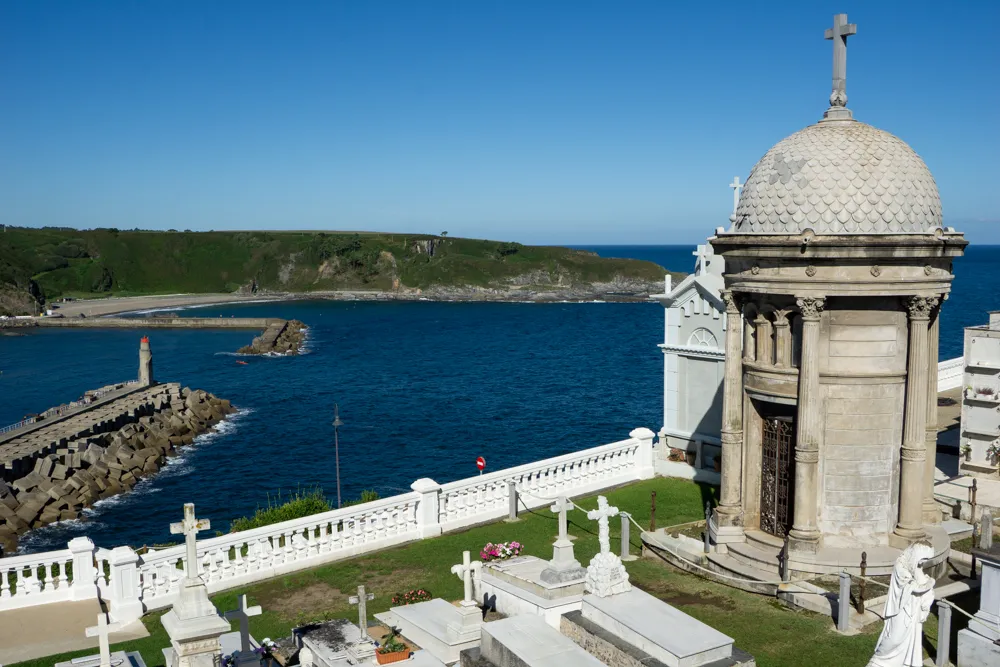
What makes Luarca truly unique is the walk up to the cliffside. Here, you will find the beautiful white chapel (Capilla de Nuestra Señora la Blanca) and a cemetery often cited as one of the most beautiful in Spain. It might sound strange to visit a cemetery during your vacation, but its location high above the ocean is truly special and serene.
- Where to stay: Hotel Villa de Luarca – A beautiful, distinctive hotel set in a modernist building in the heart of town.
Muxía (Galicia)
I visited Muxía as a “bonus ending” after my most recent Camino (Portugués). I arrived on foot from Finisterre and, despite it being November, the weather was magnificent. What immediately struck me was the raw power of nature; the waves pounded against the rocky coast with incredible force.

Just before sunset, I walked to the tip of the headland. This is where you find the Santuario da Virxe da Barca shrine and the impressive “A Ferida” monument—a massive split rock commemorating a past oil spill. Watching the sun sink into the Atlantic Ocean from this spot was an incredibly beautiful moment. While it isn’t a classic seaside town for a day at the beach, the atmosphere here is unforgettable.
- Where to stay: Parador de Costa da Morte – one of Spain’s most stunning and modern Paradors, built directly into the rocks with spectacular ocean views.
Cadiz (Andalusia)
Cádiz marked the start of my month-long Interrail trip through Spain. Although it is technically a city, it never felt that way to me. The historic center is compact, open, and surprisingly quiet, especially on days when no cruise ships are in port. As one of the oldest cities in Europe, you can feel the history in every corner, yet the vibe remains incredibly laid-back.

The city is full of surprises. I stumbled upon a Roman theater hidden among residential houses and climbed the Torre Tavira. This watchtower houses a Camera Obscura, an optical instrument that projects a live image of the city and its moving streets onto a white screen. It is a fascinating experience! However, my favorite activity was simply strolling along the waterfront boulevards, especially the path leading to Castillo de San Sebastián.
- Top activity: Book a guided walking tour of the old town and discover the fascinating history of Cádiz.
- Where to stay: Soho Boutique Columela – A charming hotel in a great location within the old town, featuring a rooftop terrace and a seasonal pool.
- Read more: What are the best things to do in Cádiz? 17 tips!
Peñíscola (Valencia)
I haven’t visited Peñíscola myself yet, but it is high on my list. From what I have heard and seen, this is one of the most characteristic places on the Spanish east coast. The old town sits on a massive rock towering above the Mediterranean, crowned by an impressive 13th-century castle built by the Knights Templar. It later served as the residence of a pope (Papa Luna). Wandering the narrow streets of the center is essential. You might even recognize them, as they were used as a filming location for Game of Thrones.
- Top activity: Book a tour of the castle and explore the Game of Thrones filming locations.
- Where to stay: Hotel Boutique La Mar – A beautifully designed boutique hotel perched directly against the castle wall with views overlooking the bay.
Finisterre (Galicia)
Finisterre holds a deep emotional significance for me. It is the destination of the Camino Finisterre, the only Camino that continues beyond Santiago de Compostela. When I reached the lighthouse on the cape, which the Romans aptly named the “end of the world”, tears streamed down my cheeks. Standing there, knowing you can go no further and the journey is complete, is an indescribable feeling.

The village itself is surprisingly charming, with an authentic, down-to-earth atmosphere and a beautiful long beach (Playa de Langosteira) perfect for enjoying the sea breeze. In the harbor, you will find many local restaurants where you can enjoy fresh seafood alongside locals and fellow pilgrims. Even if you aren’t a hiker, Finisterre is a spectacular place to visit.
- Top activity: Book a day tour to Finisterre and Muxía from Santiago de Compostela.
- Where to stay: Hotel Faro de Finisterre – Ideally located in the center with bright, modern rooms.
Llançà (Catalonia)
Llançà is a place that has completely captured my parents’ hearts; they return almost every year. We even visited once with the whole family, and I fully understand why they are so attached to this village. Beautifully situated on a rugged stretch of the Catalan coast, Llançà has managed to retain its authentic atmosphere despite the lively summer crowds.

What I personally love about Llançà are the hidden coves with crystal-clear waters and the incredible hiking opportunities. The famous Camí de Ronda runs along the coast here, a trail that leads you past some of the most spectacular viewpoints in the region.
- Where to stay: Hotel Gri-Mar – Located just outside the village, this hotel is beautifully situated and features a large outdoor pool.
Santa Cruz de La Palma (Canary Islands)
I visited Santa Cruz de La Palma during a sailing trip between the Canary Islands. Since we docked here for a few days, I had plenty of time to explore. The unique atmosphere struck me immediately; it feels much more colonial here than in mainland Spain. The historic streets, with their famous colorful wooden balconies, even reminded me of cities like Lima, Peru. It is an incredibly photogenic place!

Beyond the stunning architecture in the center, the town features an expansive beach with an impressive whale statue, a tribute to the ocean. However, the biggest draw for me is the combination of this charming town and the island’s raw nature. Santa Cruz de La Palma is the perfect base for exploring volcanic landscapes and lush green forests. It is an ideal destination for those who want to combine culture with brisk hikes.
- Top activity: Join a guided tour to the new Tajogaite volcano and witness the incredible landscape firsthand.
- Where to stay: El Hotelito 27 – A beautifully decorated and inviting hotel located right in the city center.
- Read more: 12 fun things to do in Santa Cruz de la Palma
Cartagena (Murcia)
Cartagena was a major highlight of my month-long Interrail trip. I enjoyed it so much that I ended up staying for over a week. I happened to visit during Semana Santa (Holy Week), and the processions through the streets were incredibly moving to witness. The city has a wonderful, laid-back atmosphere and a surprisingly “arty” vibe that I didn’t expect.

What makes Cartagena truly special is how history is visible at every turn. The Roman theater is magnificent and located right in the city center. The setting is equally spectacular, surrounded by high hills topped with ancient forts that are perfect for hiking. From these viewpoints, you have a breathtaking view of the deep bay and the harbor.
- Top activity: Visit the Roman Theater and its museum to learn about the city’s rich history. A combination ticket offers great value if you want to explore more historic sites.
- Where to stay: La Casa de las Flores – A beautiful boutique hotel in the heart of Cartagena. The facade is covered in flowers, while the rooms are stylish and modern.
- Read more: What to do in Cartagena Spain? 19 tips!
Villajoyosa (Valencia)
I haven’t visited Villajoyosa myself yet, but I have admired it in photos many times. The name literally means “joyful town,” and one look at the promenade explains why. The row of fishermen’s houses along the coast is painted in vibrant colors, ranging from deep blue to bright yellow. Historically, fishermen did this to easily recognize their homes from their boats at sea.
If you love chocolate, this is your destination. Villajoyosa is the home of the famous Valor brand and features a dedicated chocolate museum. They say the scent of cocoa sometimes wafts through the streets of the old town, the perfect backdrop for a day at the beach!
- Where to stay: Hotel Allon Mediterrànea – This hotel is located directly on the promenade, offering immediate views of the colorful houses and the sea.
Estepona (Costa del Sol)
Estepona was a wonderful surprise. I drove there from Torremolinos and Marbella with low expectations, but I was completely won over. While it isn’t a tiny village, it is easily the best place to visit on the Costa del Sol. It strikes a perfect balance between a modern seaside resort and a charming, traditional Andalusian town.
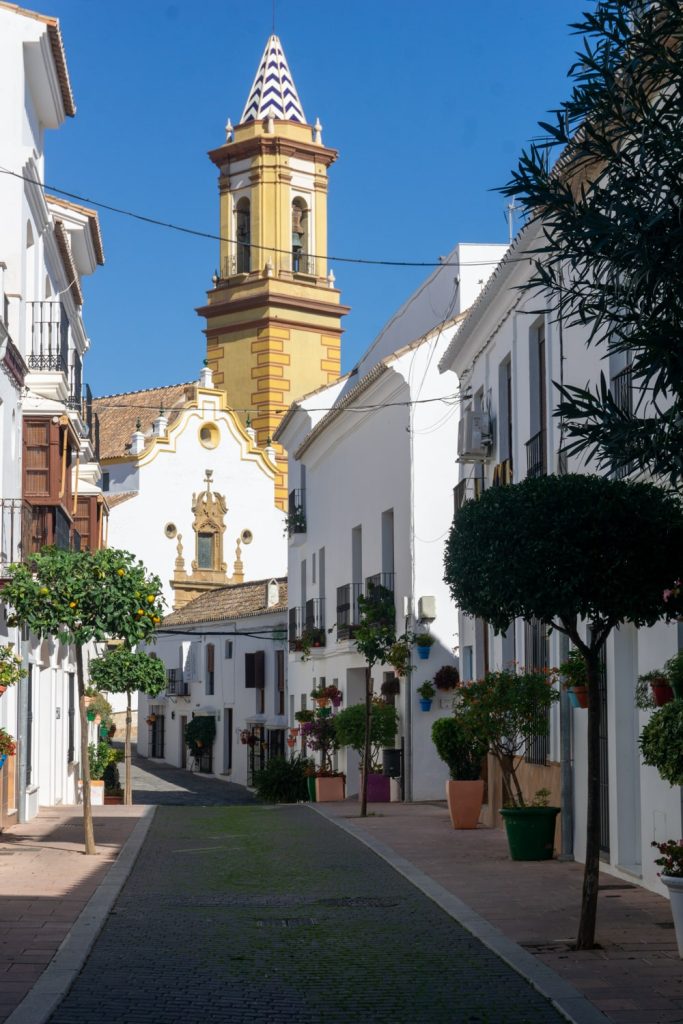
The promenade along the endless sandy beach is perfect for a stroll, and on clear days, you can even see the Rock of Gibraltar in the distance. However, the true highlight for me is the old town. Residents have decorated the whitewashed walls with thousands of flower pots, with each street following its own color scheme. It is incredibly photogenic, making you forget you are on one of Spain’s busiest coastlines.
- Top activity: Visit the Estepona Orchidarium, an impressive botanical garden featuring thousands of orchids and a waterfall.
- Where to stay: Hotel Silken El Pilar Andalucia – A luxury hotel on Plaza de las Flores, just a three-minute walk from the beach. The rooftop terrace offers great city views.
- Read more: 20 Best things to do in Estepona
Book your trip to Spain
Ready to explore these stunning coastal towns for yourself? Here is how to easily plan your journey:
✈️ Flights – Most coastal regions in Spain are well-connected via international airports. Use Skyscanner to compare prices and find the best direct flights from your location.
🚆 Train Travel – Spain has an excellent high-speed rail network (AVE). If you are traveling from within Europe or want to explore different regions by rail, you can easily book your tickets through Rail Europe. Pro tip: Book 3 to 4 months in advance for the best rates.
🚗 Car Rental – To reach the smaller, hidden gems in regions like Asturias and Galicia, a rental car is essential. I recommend using Discover Cars to compare local and international suppliers and find the best deal for your road trip.
💊 Travel Insurance – Good travel insurance is a must for any trip. For international travelers, Insubuy offers great coverage options and a wide variety of plans to suit your needs.
🧗🏼 Tours & Activities – Whether you want to explore a Roman theater, join a boat tour, or book tickets for the Dalí House, Get Your Guide is my go-to platform for booking tours and activities in advance.
Read more about Spain
Looking for more inspiration for your vacation in Spain? These guidebooks are excellent resources for planning your trip:
The Rough Guide to Spain: Travel Guide with eBook
Lonely Planet Spain: Detailed Itineraries
I travel to Spain almost every year to discover new destinations. You can find plenty of inspiration for your trip in these articles:
- 12 Best places to hike in Spain
- 25 Amazing places to visit in Andalusia
- Spain Bucket List: 25 incredible places to visit
Subscribe to the newsletter to receive the latest travel stories and the best tips directly in your inbox.
Hi, thank you for reading this disclaimer! Maintaining a travel website involves various costs. I appreciate it when you use the links in this article to book your stay or buy a guidebook. This provides me with a small commission, which helps me keep this website running and sharing new stories. Thank you for your support! Support Op reis met Co.


Leave a reply